
How big is Tarangire National Park & when was it established
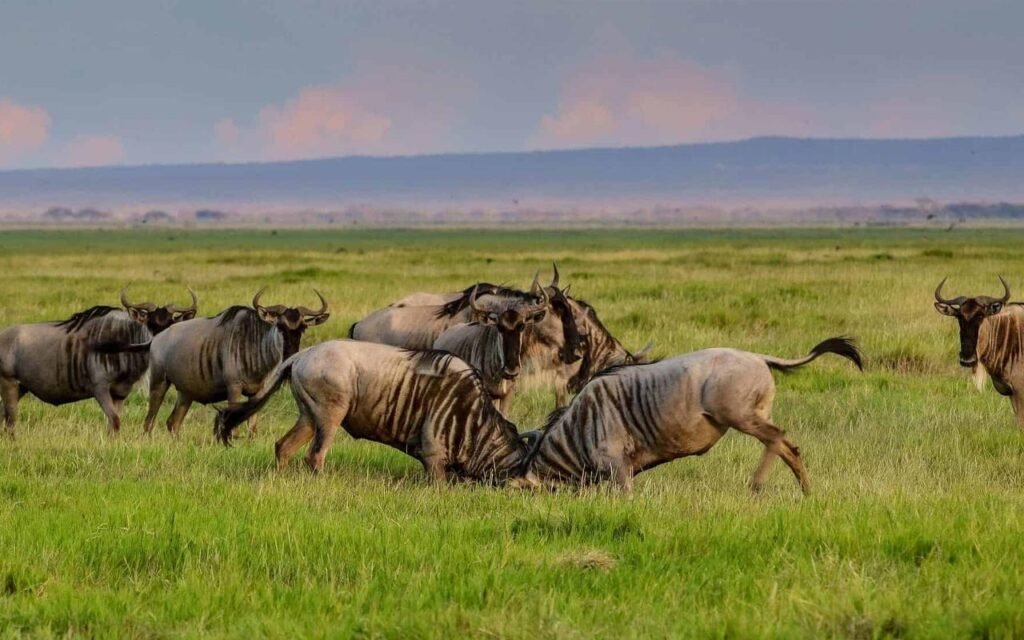
Tarangire National Park, located in northern Tanzania, covers approximately 2,850 square kilometers (1,100 square miles), making it the sixth-largest national park in the country. It lies south of Lake Manyara and forms part of the larger Tarangire ecosystem. The park was officially established in 1970 to protect the seasonal migration of wildlife, especially elephants, zebras, and wildebeests. Its name comes from the Tarangire River, which flows through the park and serves as the main water source for animals during the dry season. Tarangire’s landscape features acacia woodlands, open savannas, swamps, and iconic baobab trees. The park plays a critical role in regional biodiversity and supports both resident and migratory species in its protected habitats.

What is so special to see in Tarangire National Park
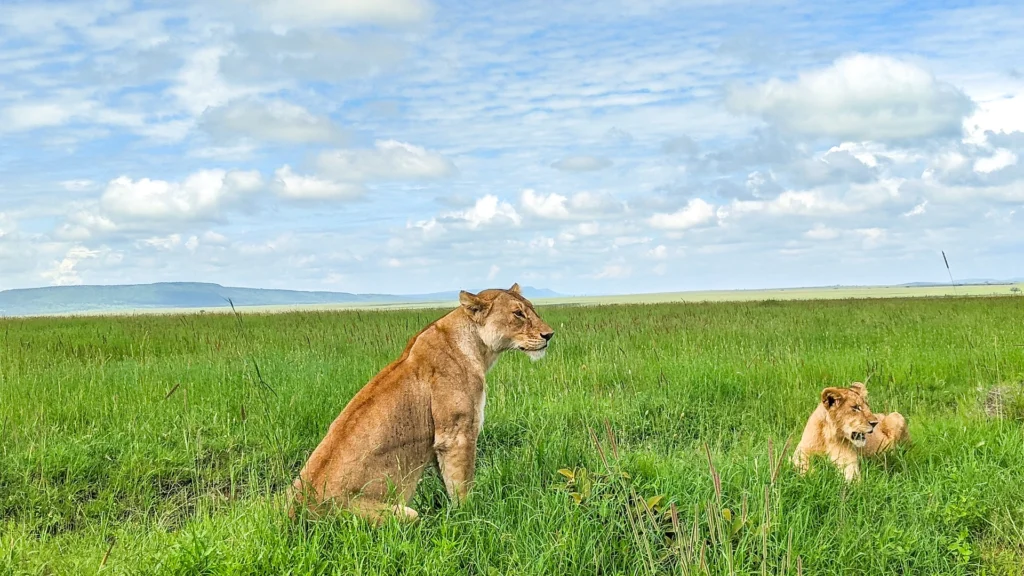
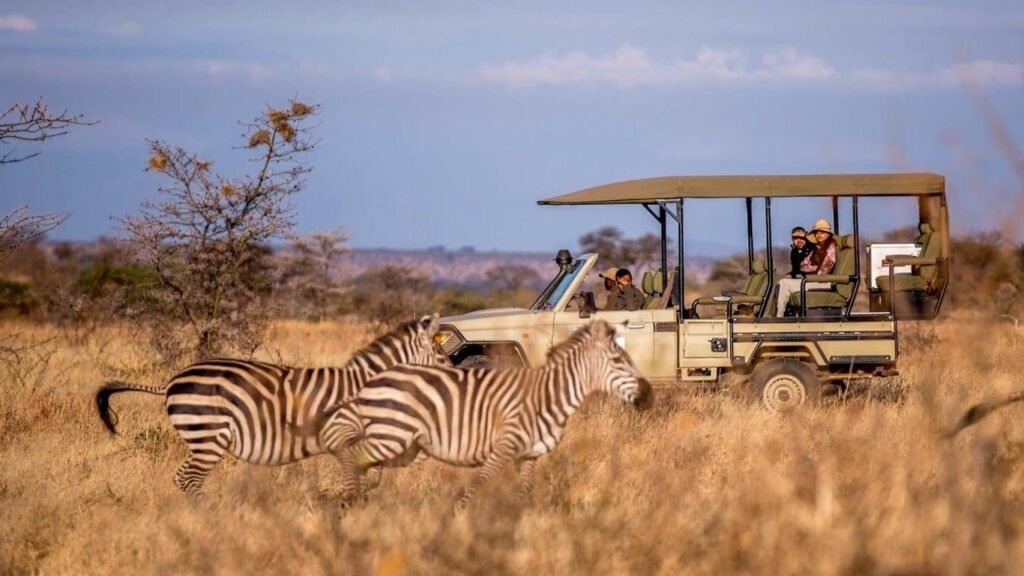
Tarangire National Park is famous for its large elephant herds, especially during the dry season when thousands gather near the Tarangire River. The park is also known for its ancient baobab trees, dramatic landscapes, and diverse wildlife. Visitors can spot lions, leopards, cheetahs, buffaloes, and a wide variety of antelope species. Bird lovers will enjoy over 500 bird species, including the colorful lilac-breasted roller and yellow-collared lovebird. Rare species like the fringe-eared oryx and greater kudu are also seen here. Tarangire’s less crowded nature offers a quieter, more intimate safari experience compared to nearby parks like Serengeti or Ngorongoro.

Best time to visit Tarangire
The best time to visit Tarangire National Park is during the dry season, from June to October. During this period, wildlife gathers in large numbers around the Tarangire River and swamps, offering excellent game viewing. Elephants, zebras, wildebeests, and predators are easily seen, and the sparse vegetation makes spotting animals easier. Bird watching is also superb year-round but especially good during the dry season. While the wet season (November to May) brings lush scenery and fewer tourists, many animals disperse into surrounding areas. However, it can still be a good time for photography, birding, and viewing resident animals in peace.

How many elephants are in Tarangire National Park
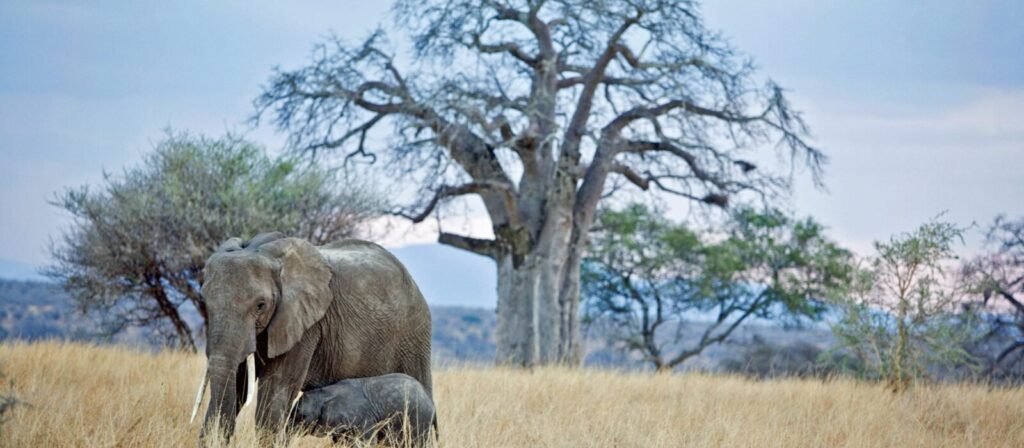
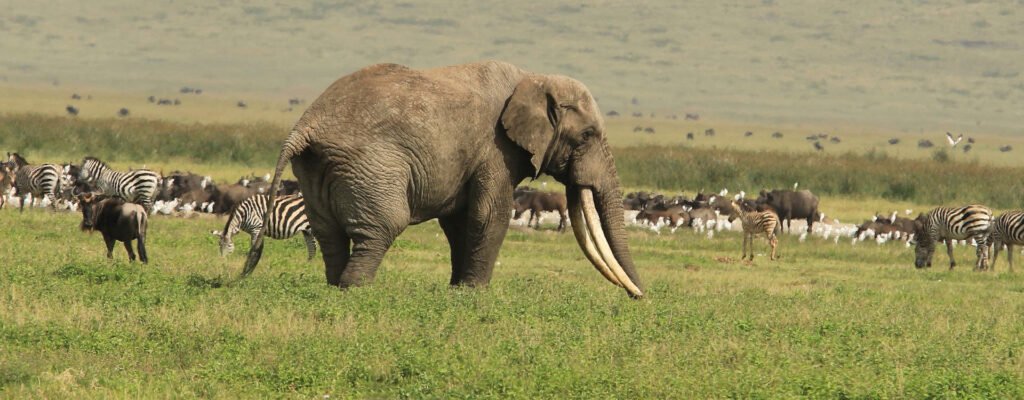
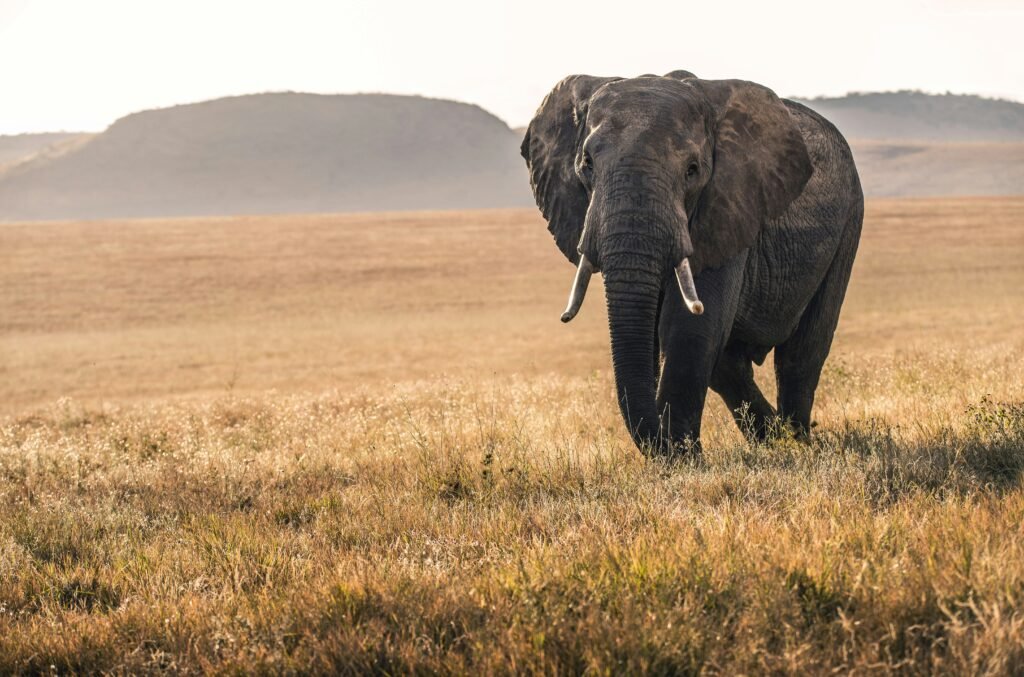
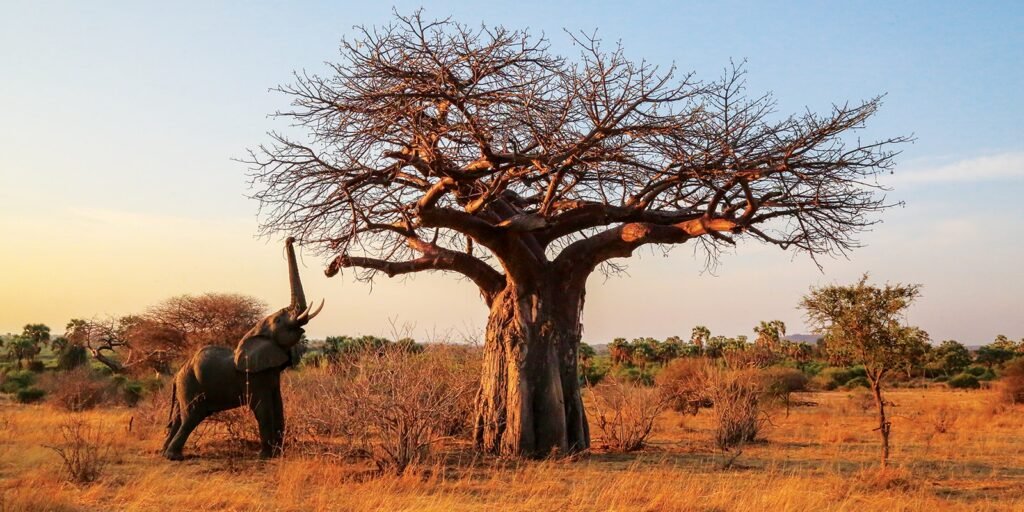
Tarangire National Park is home to one of the largest elephant populations in Tanzania. It is estimated that over 3,000 elephants live in the park, with numbers increasing during the dry season as herds migrate in search of water. Tarangire is especially known for its large family groups, often seen cooling off at the river or under baobab trees. Some herds include more than 100 individuals. The park’s varied landscape and permanent water sources provide a vital habitat for these majestic animals. Conservation efforts in the park have helped protect elephants from poaching and ensure stable population growth over time.

Ecosystem in Tarangire
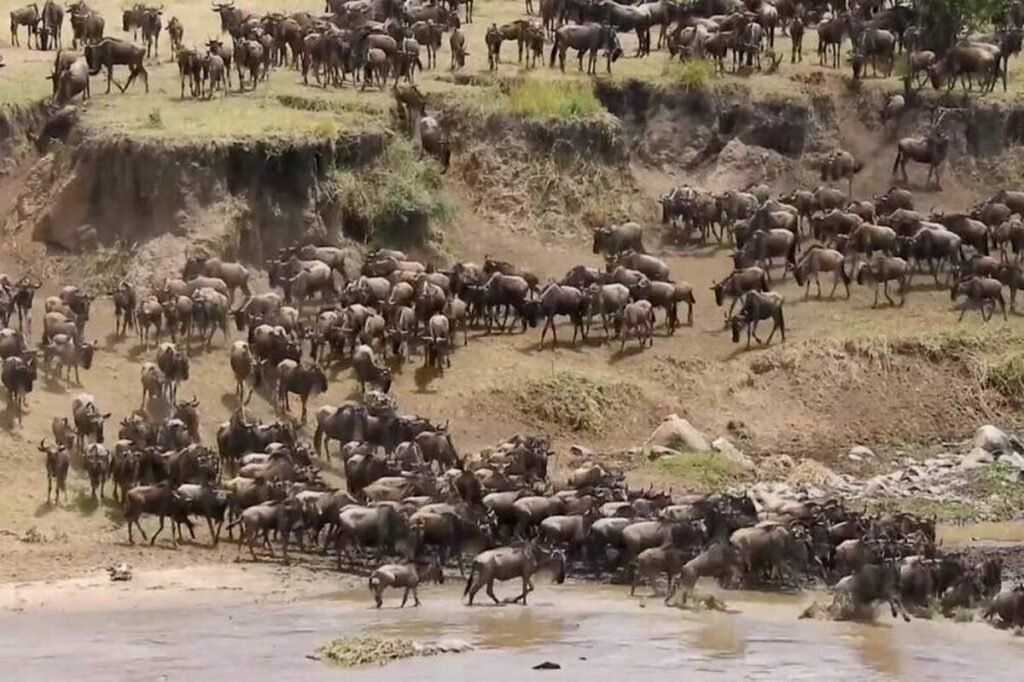
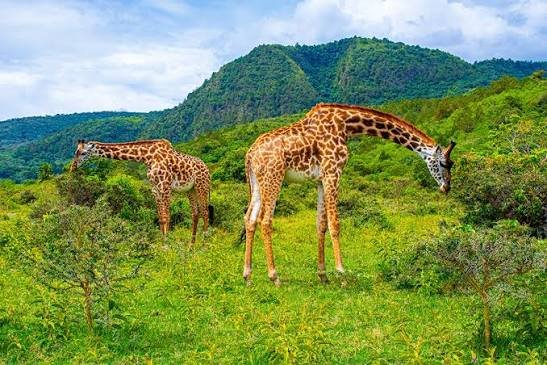
The Tarangire ecosystem includes the national park and surrounding wildlife management areas. It is part of a larger migratory corridor for many species, especially during the dry season. Its landscape features grassy plains, swamps, acacia woodlands, and scattered baobab trees. This varied environment supports a wide range of herbivores like elephants, giraffes, wildebeests, and zebras, along with predators such as lions, leopards, and hyenas. The seasonal movement of animals across the ecosystem is tied to water availability, with the Tarangire River being a crucial life source. The park plays a critical role in maintaining biodiversity and supporting long-range wildlife movements.

Baobab trees and a poacher hiding in the trees
Tarangire is famous for its giant baobab trees, some of which are over 1,000 years old. These trees store water in their massive trunks and provide shade and shelter to both animals and birds. Baobabs are often called “upside-down trees” due to their unique shape. They serve as nesting spots for birds and food sources for elephants that strip their bark to extract moisture. A notable feature in Tarangire is a massive baobab known locally as the “Poacher’s Hiding Tree.” This hollowed-out tree was reportedly used by elephant poachers in the past to hide and evade park rangers. Today, it serves as a reminder of conservation struggles and the importance of protecting wildlife. Visitors often stop by to see this historic and symbolic tree during game drives.

Tarangire River & Silale Swamp
The Tarangire River is the lifeblood of the park, especially during the dry season when it becomes the main water source for miles around. It winds through the park and attracts large herds of elephants, zebras, wildebeests, and many predators. Visitors can often see wildlife congregating along its banks, making it a prime area for game viewing and photography. Silale Swamp, located in the southern part of the park, acts as a critical water reservoir. It supports lush vegetation and remains green even during dry months, drawing in wildlife from across the region. The swamp helps cool the local climate and provides habitat for hippos, buffalo, and a wide range of birds. Together, the river and swamp are vital to the park’s ecological health and year-round animal presence.

How many gates are in Tarangire & the main gates
Tarangire National Park has three main entrance gates: Main Gate (Tarangire Gate), Sangaiwe Gate, and BONDAR HILL GATE. The Main Gate, located near the village of Kwa Kuchinja, is the most commonly used and provides access to the northern part of the park. Sangaiwe Gate, near Lake Burunge, is a popular entry point for visitors coming from Manyara or Babati. BONDAR HILL Gate, farther south, is used less frequently but offers access to remote parts of the park. These gates are managed by TANAPA (Tanzania National Parks Authority) and serve as checkpoints for entry permits, safari registrations, and visitor information.