Expertise you can trust

Kilimanjaro National Park

Kilimanjaro National Park – Size & Establishment

Kilimanjaro National Park covers an area of approximately 1,688 square kilometers. Established in 1973 and later designated as a UNESCO World Heritage site in 1987, the park was created to protect the world’s tallest free-standing mountain and its unique ecosystem. It rises from the warm plains of the Savannah through five distinct climate zones—from lush rainforests to an alpine desert and finally an arctic summit. The park is a symbol of Tanzania’s natural beauty and is home to Mount Kilimanjaro, the “Roof of Africa.”

Animals to See in Kilimanjaro National Park

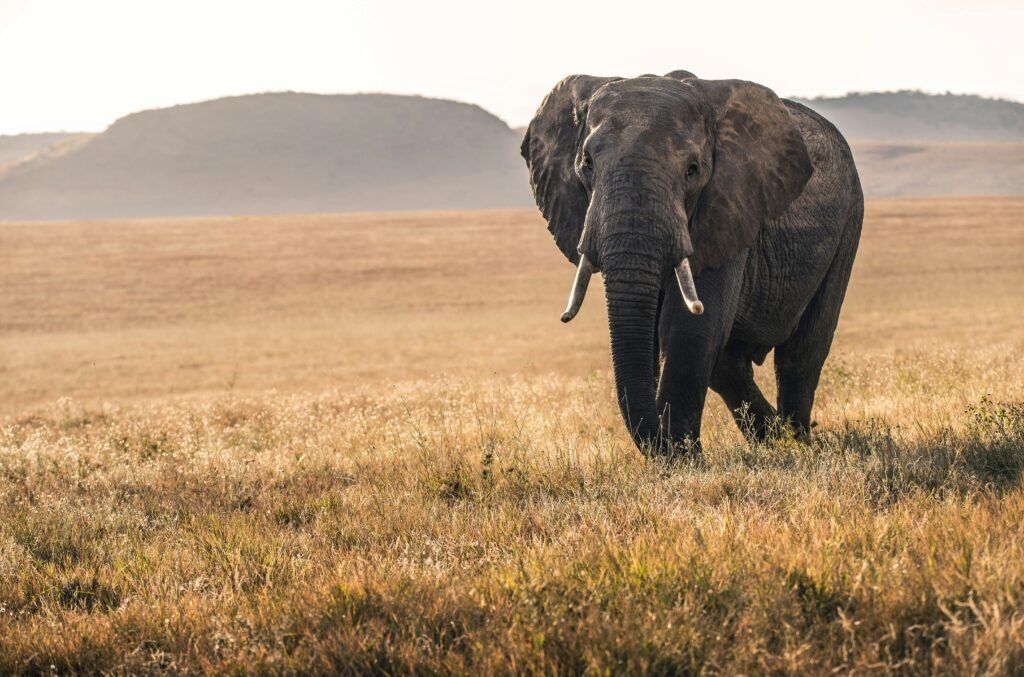
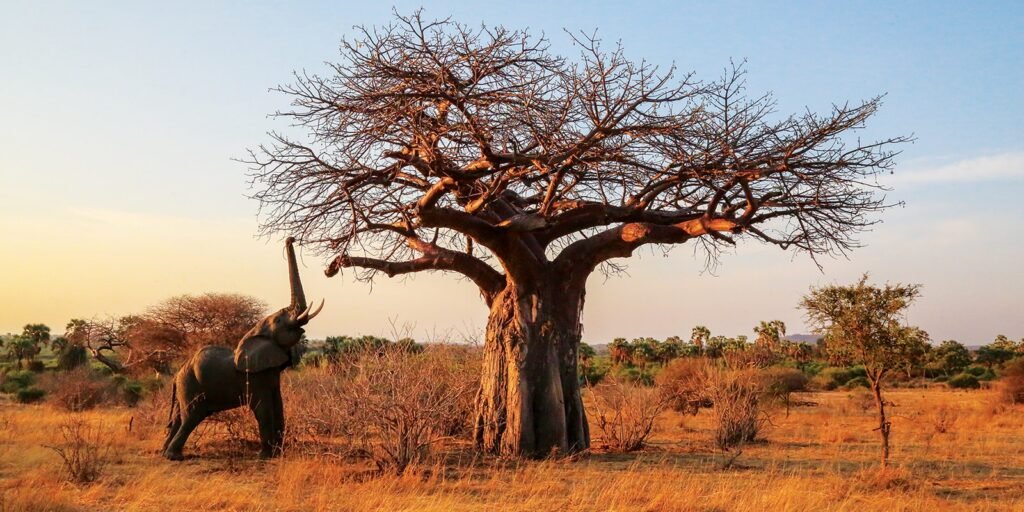
While the park is primarily famous for its mountain, it supports a variety of wildlife within its thick forest belt. You can spot blue monkeys, black-and-white colobus monkeys, and olive baboons in the canopy. The lower reaches are home to Cape buffaloes, bushbucks, and occasionally elephants that migrate through the corridors. Rare sightings of the high-altitude-dwelling Abbott’s duiker and various small carnivores like genets and civets are possible. Bird enthusiasts will also find beautiful species such as the Hartlaub’s turaco and the silvery-cheeked hornbill.

Best Time to Visit Kilimanjaro National Park

The best time for trekking and clear views is during the two dry seasons: from late June to October and from January to early March. During these months, skies are typically clear, providing breathtaking vistas and safer climbing conditions. The “long rains” from March to May can make trails slippery and the summit obscured by clouds, while the “short rains” in November and December offer a quieter experience but with a higher chance of afternoon showers.

Mount Kilimanjaro & The Uhuru Peak

The most iconic landmark of the park is Mount Kilimanjaro, standing at 5,895 meters above sea level. It is a dormant stratovolcano comprising three volcanic cones: Kibo, Mawenzi, and Shira. Uhuru Peak, the highest point on the Kibo cone, is the ultimate goal for thousands of adventurers each year. The mountain is unique because it can be climbed without professional mountaineering gear or technical skills, making it one of the most accessible high-altitude summits in the world.

Mountain Trekking & Crater Exploration

The primary activity in the park is trekking to the summit via various established routes like Marangu, Machame, and Lemosho. For those not aiming for the peak, day hikes through the montane forest offer a chance to explore the park’s biodiversity. A highlight for many is reaching the Reusch Crater on the Kibo summit, a 2.4-kilometer wide ash pit that serves as a reminder of the mountain’s volcanic origins. Watching the sunrise from the glaciers at the top is a life-changing landmark experience for every visitor.

Book This Destination
Other Related

Destinations

Serengeti National Park

Witness the world’s greatest wildlife spectacle across endless golden savannas and thundering migration paths.

Ngorongoro Crater

Explore a prehistoric volcanic amphitheater home to the densest concentration of Africa’s “Big Five.”

Arusha National Park

Discover a hidden gem where lush montane forests meet the acrobatic Black-and-White Colobus monkeys.
Are you ready to travel?

Experience Tanzania Like Never Before

Safaris

Activities

Destinations

Accommodations

Plan your trip with us

Ready for an unforgetable tour?