Ruaha National Park – Size & Establishment
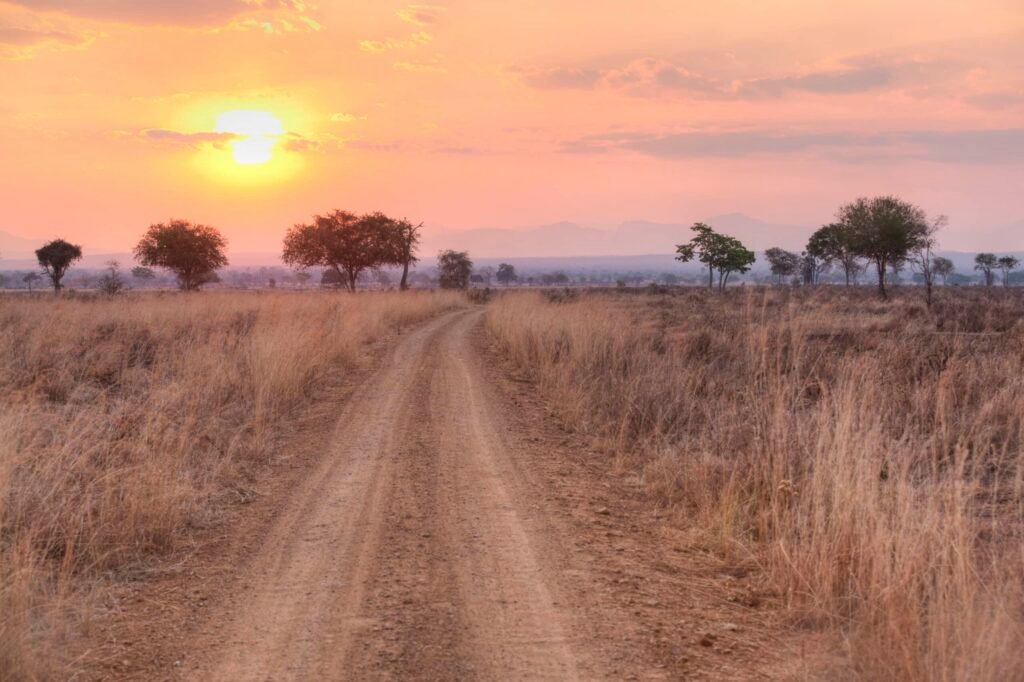
Ruaha National Park covers an area of approximately 20,226 square kilometers, making it one of the largest national parks in Tanzania and East Africa. It was officially gazetted in 1964 and later expanded in 2008 to include the Usangu Game Reserve. The park derives its name from the Great Ruaha River, which flows along its southeastern margin and serves as the primary lifeblood for the wildlife within this rugged, semi-arid ecosystem. Its remote location in the center of the country ensures a wild, untouched safari experience with far fewer tourists than the northern parks.
Animals to See in Ruaha National Park
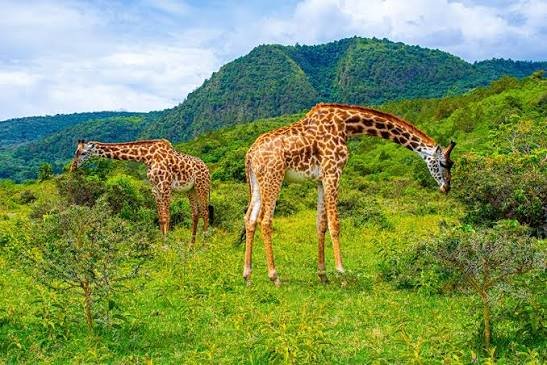
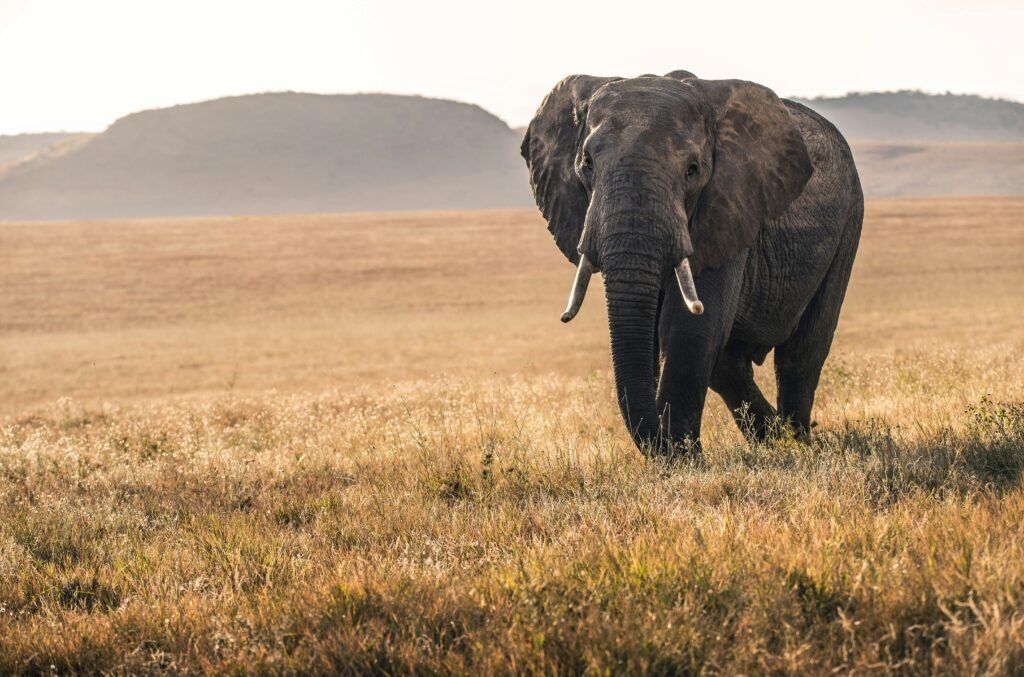
Ruaha is famous for hosting one of the largest concentrations of elephants in East Africa. It is also a predator’s paradise, home to 10% of the world’s remaining lion population, as well as large prides that are known for hunting buffalo. You can frequently spot leopards, cheetahs, and both spotted and striped hyenas. Ruaha is also a unique meeting point for species from Southern and East Africa; it is one of the few places where you can see both Greater and Lesser Kudu, as well as the rare sable and roan antelopes. The park also supports a healthy population of the endangered African Wild Dog.
Best Time to Visit Ruaha National Park
The dry season, from June to October, is undoubtedly the best time for wildlife viewing. As the park dries out, animals congregate in massive numbers around the Great Ruaha River, the only permanent water source in the area. The thinning bush makes it much easier to track predators. During the wet season (November to May), the park transforms into a lush green paradise, which is ideal for birdwatching as migratory species arrive. However, some roads can become impassable during the peak of the rains in March and April.
Giant Baobab Trees & Ancient Landscapes
The landscape of Ruaha is defined by its iconic, ancient Baobab trees that dot the rocky escarpments and plains. Some of these “Trees of Life” are hundreds of years old, providing a dramatic and prehistoric backdrop for photography. These trees are not just for scenery; they play a vital role in the ecosystem, providing shelter and water storage for elephants during the harshest dry months. The combination of these massive trees and the rugged Great Ruaha River creates a raw, quintessentially African atmosphere.
The Great Ruaha River Safaris
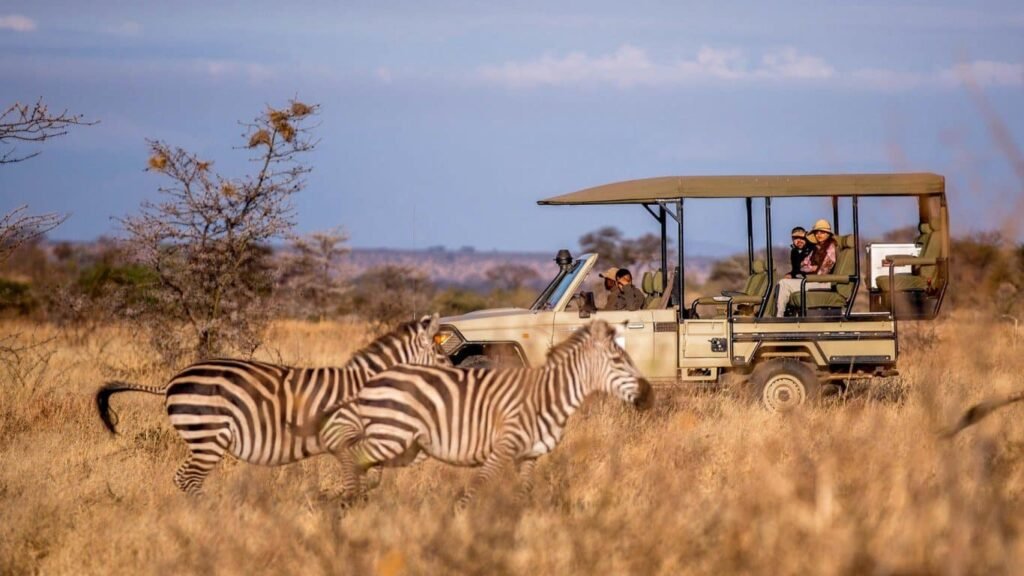
The Great Ruaha River is the park’s most significant landmark and the center of all safari activities. During the dry season, the river shrinks to a series of precious pools, creating intense wildlife drama as lions and leopards lie in wait for thirsty herds. While boat safaris are not common here like in Nyerere, the riverbanks offer spectacular “hide-and-wait” game viewing. Visitors can spend hours at a single vantage point overlooking the river, watching a constant parade of hippos, crocodiles, and diverse birdlife like the Ruaha red-billed hornbill.