
How big is serengeti national park & When was established
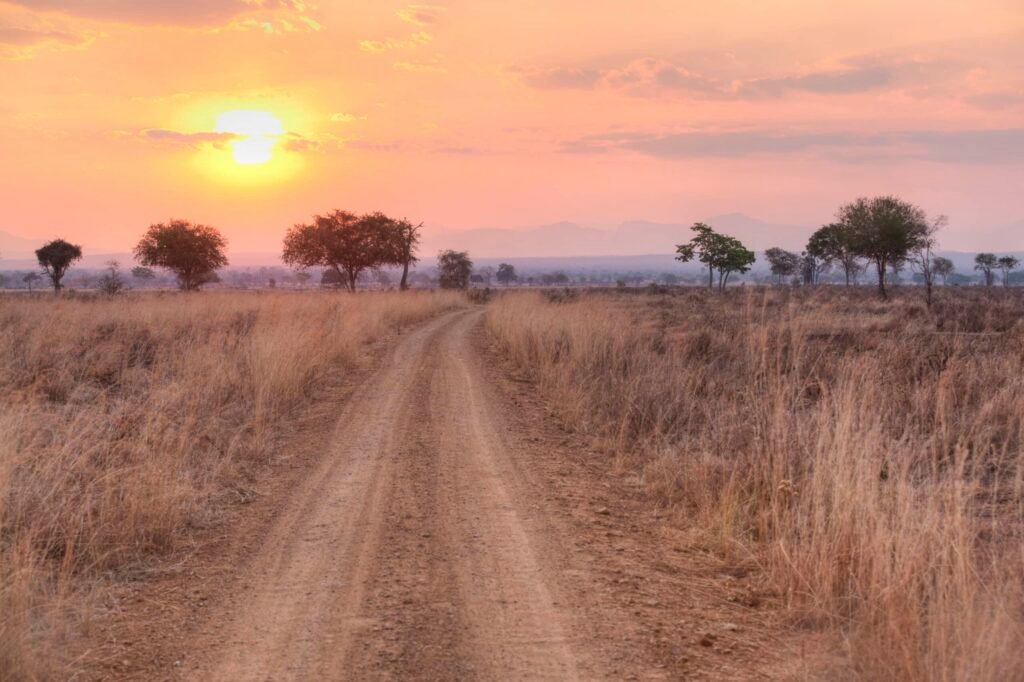
Serengeti National Park was officially established in 1951 in northern Tanzania. The idea to protect the Serengeti began earlier in the 1930s when it was noticed that wildlife, especially lions and wildebeests, were declining due to hunting. It became a full national park to conserve the area’s unique biodiversity and landscapes. The park is one of the oldest in Africa and a UNESCO World Heritage Site. It covers about 14,750 square kilometers. Serengeti is famous for its vast savannas, incredible wildlife, and the Great Migration. Its protection has helped preserve vital species and habitats that are critical to Africa’s ecological heritage
What is so special to see in Serengeti
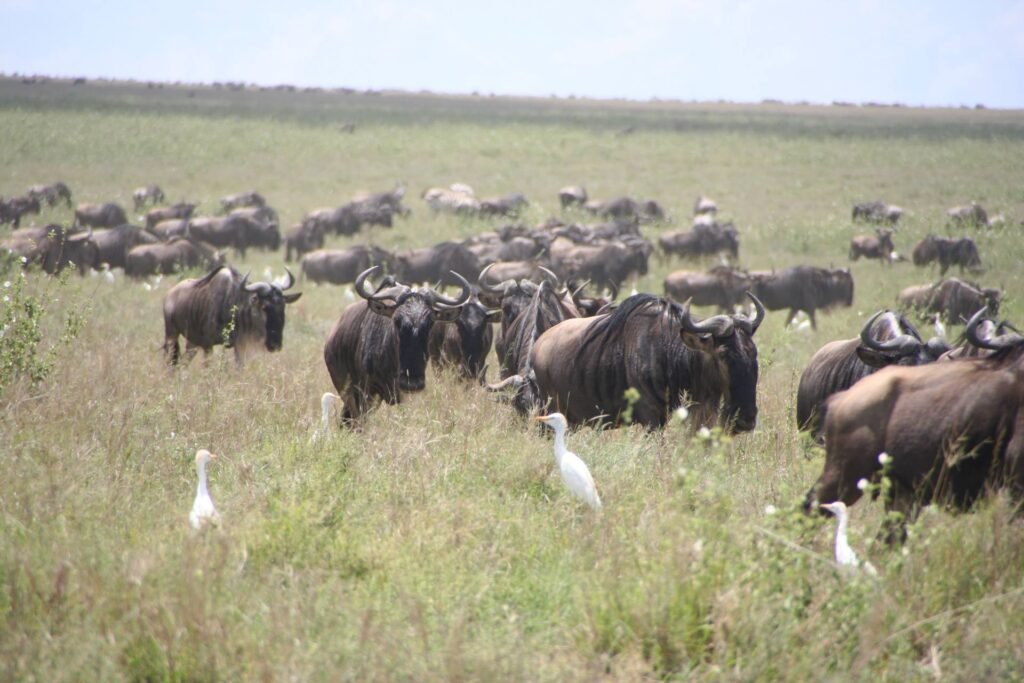
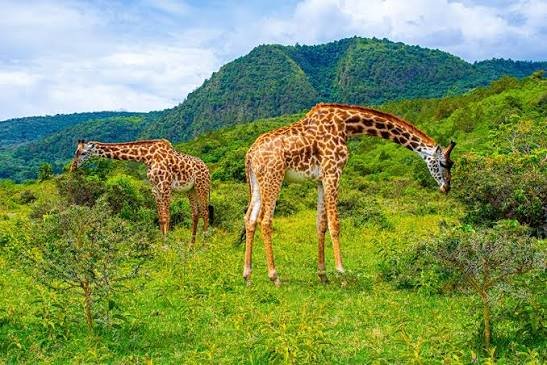
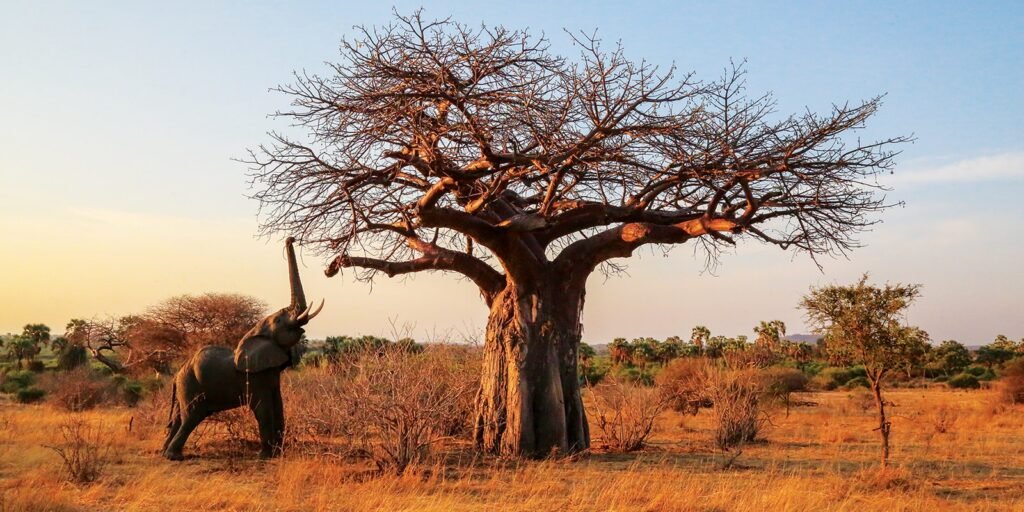
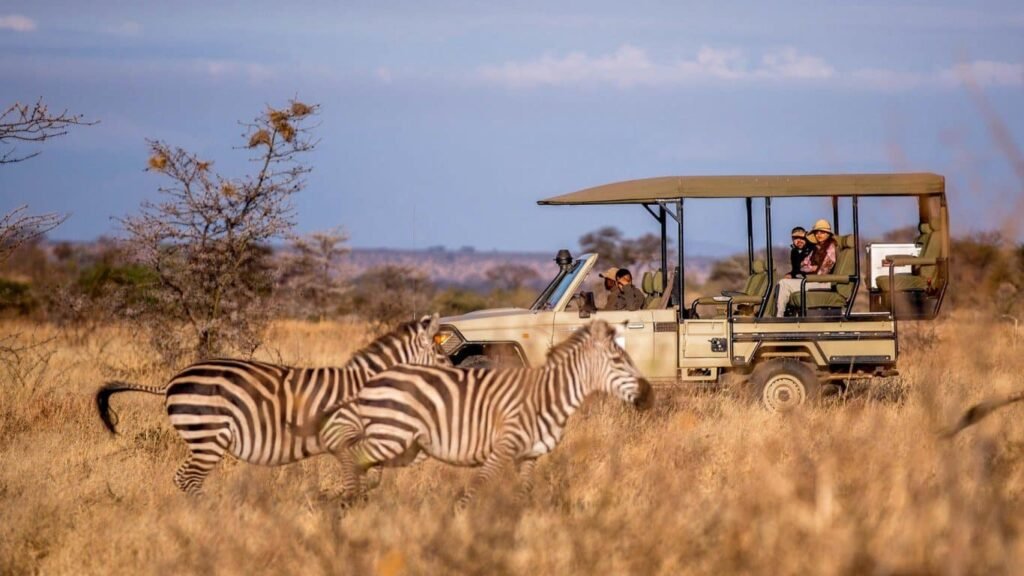
Serengeti is renowned for its rich wildlife and breathtaking landscapes. It is home to the Big Five lions, elephants, leopards, rhinos, and buffalo as well as cheetahs, giraffes, and zebras. The park’s most iconic event is the Great Wildebeest Migration, where millions of wildebeest, zebras, and gazelles move across the plains in search of food and water. Visitors can also enjoy sightings of crocodiles, hippos, and over 500 bird species. Endless savannas, acacia woodlands, and rocky outcrops called kopjes offer spectacular views. The Serengeti’s unspoiled beauty and diverse animal life make it one of the world’s most extraordinary wildlife
Best time to visit the Serengeti National Park
The best time to visit the Serengeti depends on what you want to see. For general wildlife viewing, the dry season from late June to October is ideal, as animals gather near water sources. This is also the best time to see predators hunting. If you’re interested in the Great Migration, plan between June and July for river crossings in western part at grumeti river and northern part at mara river between August-September , or between January and March for the calving season in south serengeti at ndutu region. The wet season from November to May has fewer tourists and lush green landscapes, making it perfect for bird watching and photography. Overall, the Serengeti offers amazing experiences throughout the year, with each season unique.
How many lions are in Serengeti
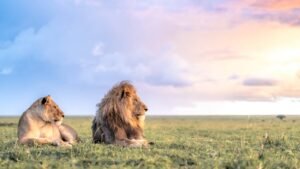
Serengeti National Park is home to one of the largest lion populations in Africa. There are an estimated 3,000 lions living within the greater Serengeti ecosystem. These lions thrive in the park due to the vast open plains, abundant prey, and well-preserved natural environment. They often form large prides, some with over 15 members. Serengeti lions are key predators, playing a crucial role in the ecosystem by keeping herbivore populations in balance. Conservation efforts have helped protect these majestic animals, but they still face threats from human-wildlife conflict and disease. Visitors to the Serengeti have excellent chances of spotting lions daily.
Best time to see the Great Wildebeest Migration in the Serengeti river crossing & calving season
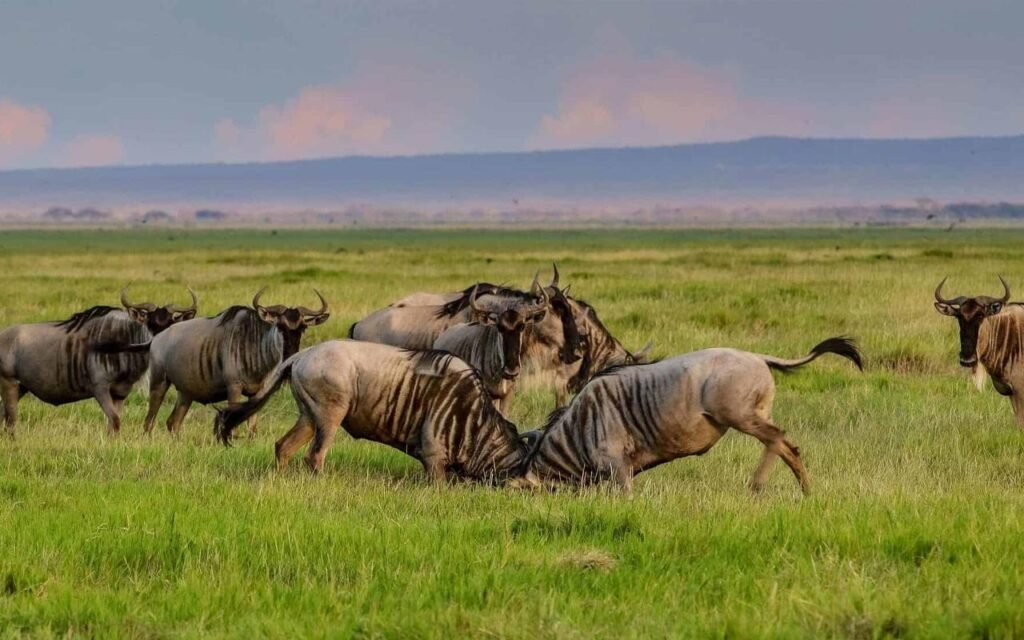
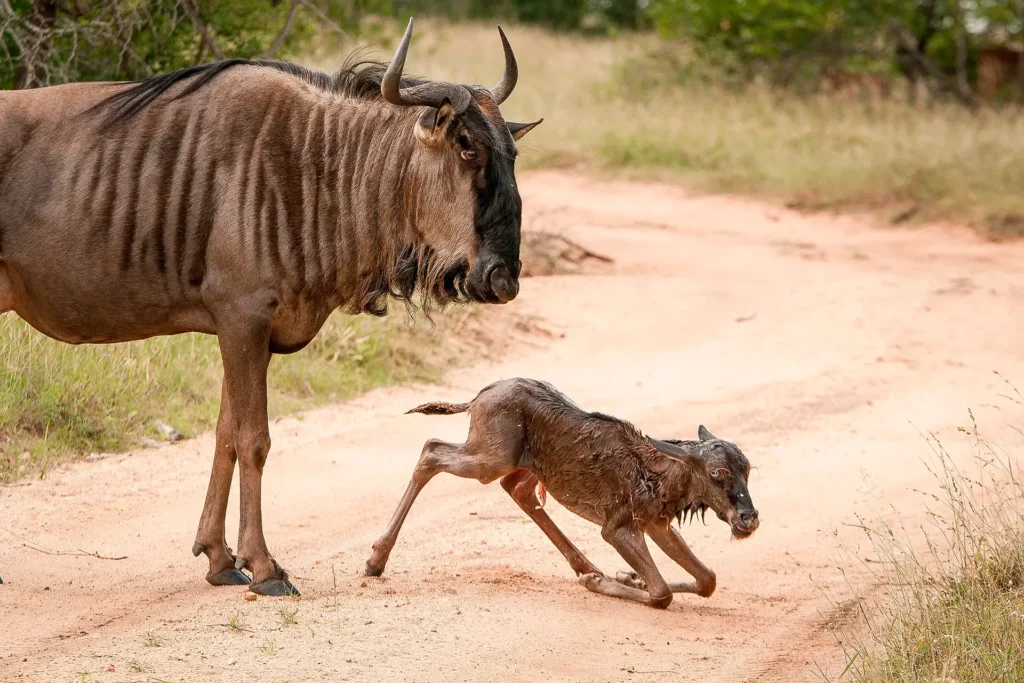
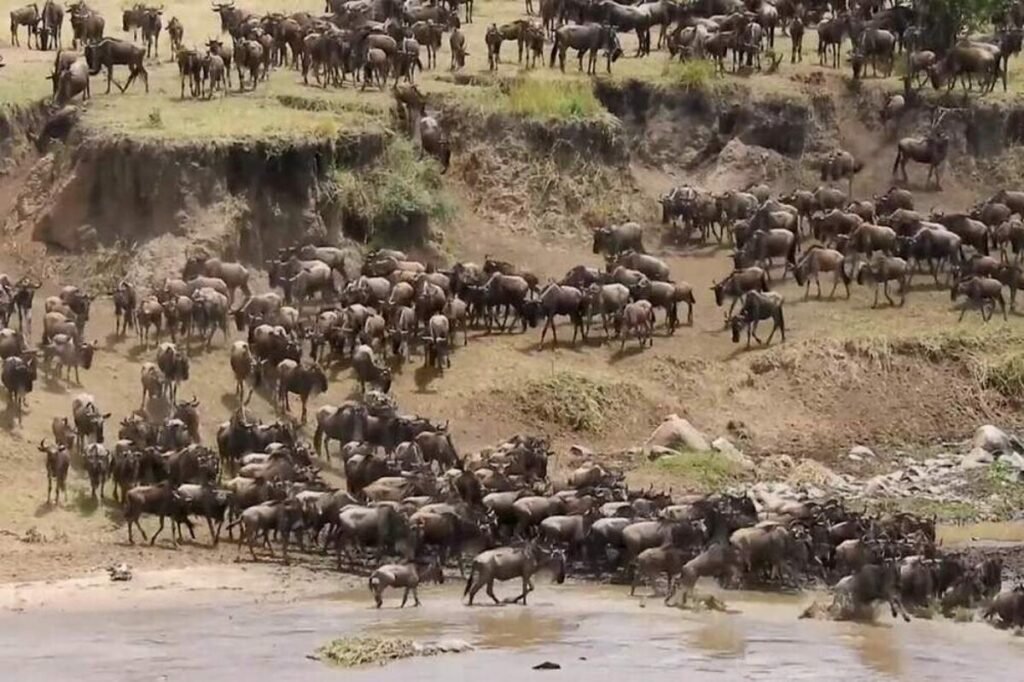
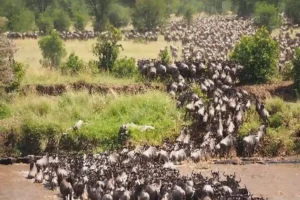
The Great Wildebeest Migration is one of nature’s most spectacular events. To witness river crossings where wildebeest and zebras brave crocodile-infested waters visit between July and October. During this time, the herds cross the Grumeti and Mara Rivers as they move from Tanzania into Kenya’s Maasai Mara. These months offer dramatic scenes of survival and predator action. For the calving season, the best time is between late January and March in the southern Serengeti. During this period, around 500,000 calves are born within a few weeks. It’s a predator’s paradise as lions, cheetahs, and hyenas target the vulnerable newborns. Both times offer unforgettable wildlife experiences.
Ecosystem in Serengeti National Park
The Serengeti ecosystem is a vast and diverse natural area covering approximately 30,000 square kilometers. It includes grasslands, savannas, woodlands, and riverine forests, supporting a wide range of flora and fauna. The ecosystem spans from the Ngorongoro Highlands to the Maasai Mara in Kenya. It hosts over 70 large mammal species and 500 bird species. Key ecological processes, such as the annual migration of over 1.5 million wildebeest, shape the land and sustain predator-prey dynamics. Seasonal rainfall drives animal movements and plant growth. This delicate balance makes the Serengeti one of the most intact and biologically rich ecosystems on Earth.
Seronera Airstrip and Kogatende Airstrip
Seronera Airstrip is located in the central Serengeti and is the busiest and most accessible airstrip in the park. It serves as a hub for travelers visiting central Serengeti’s abundant wildlife, including lions, leopards, elephants, and resident herds. Seronera offers year-round game viewing and is well-connected with daily flights from Arusha, Zanzibar, and other regions.
Kogatende Airstrip lies in the northern Serengeti, near the Mara River, and is most active between July and October during the Great Wildebeest Migration. This airstrip is ideal for witnessing dramatic river crossings, where wildebeest face crocodiles and swift currents. Kogatende is remote and scenic, offering excellent access to seasonal camps and a quieter safari experience with stunning landscapes and predator activity.