Nyerere National Park – Size & Establishment
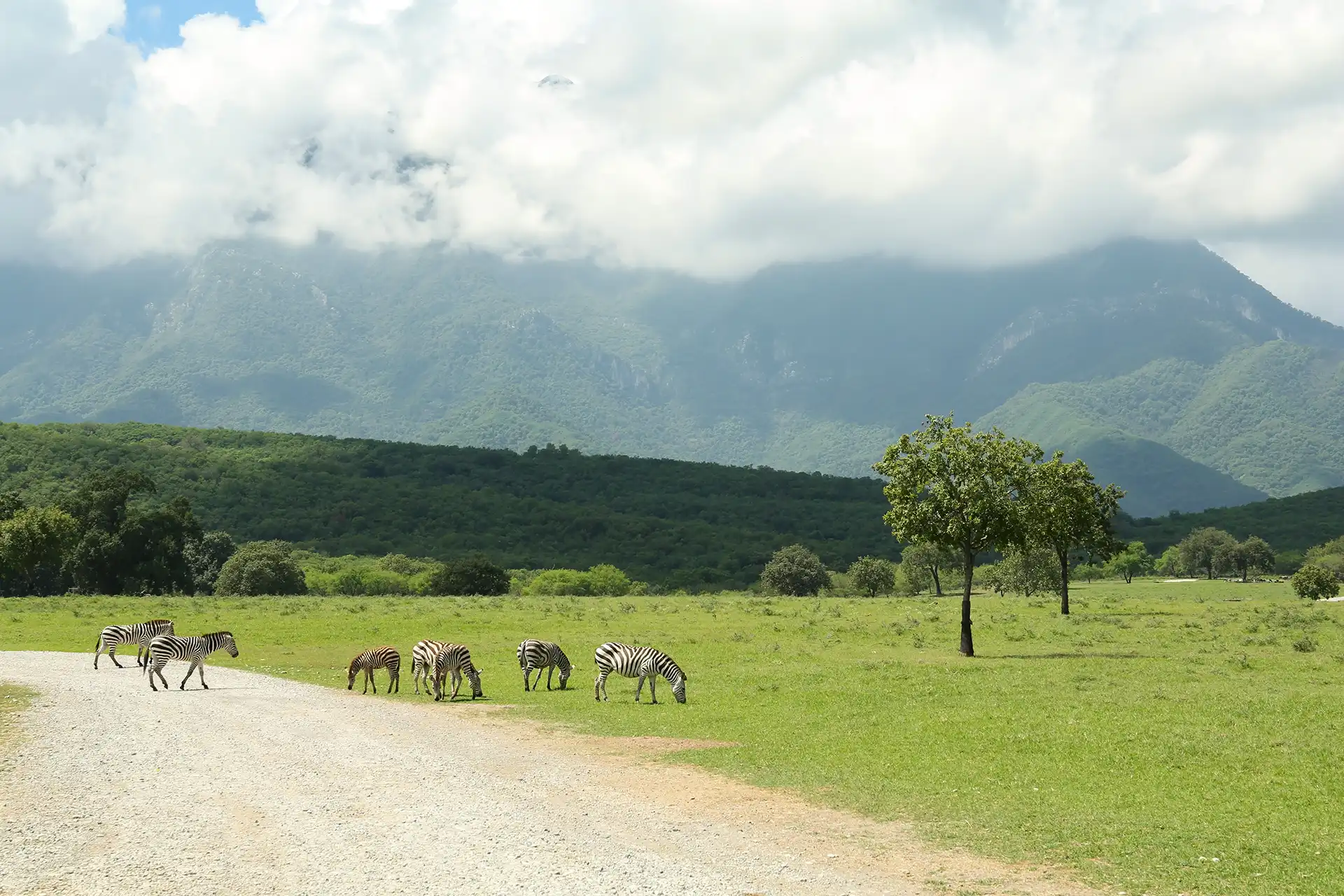
Nyerere National Park is the largest national park in Tanzania and one of the largest in the world, covering a massive area of approximately 30,893 square kilometers. Established in 2019 from the northern part of the famous Selous Game Reserve, it was named in honor of the founding father of the nation, Julius Kambarage Nyerere. The park is part of a vast ecosystem that remains largely untouched by human interference, characterized by the mighty Rufiji River, sprawling savannahs, and a complex network of lakes and delta channels.
Animals to See in Nyerere National Park
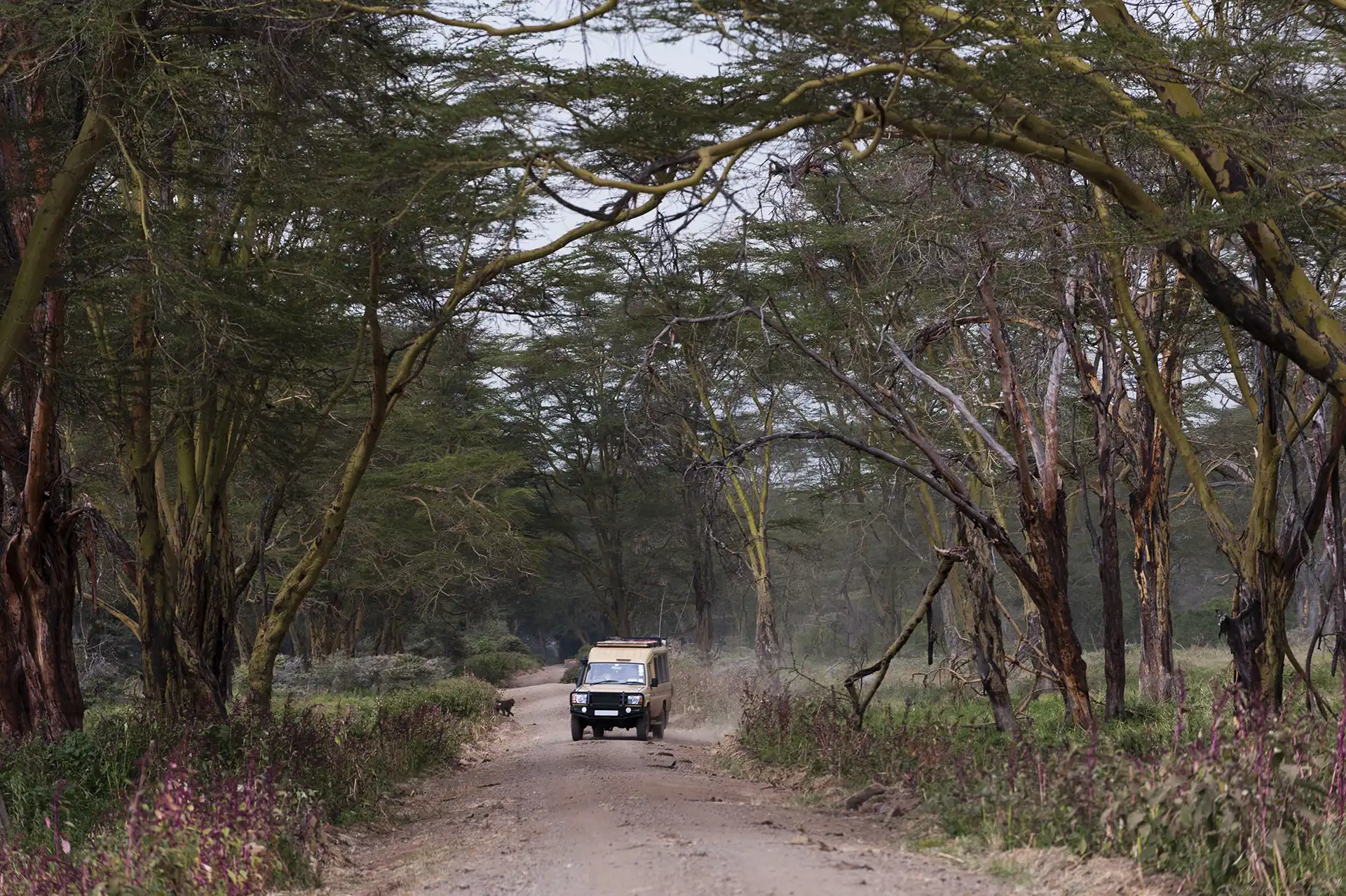
The park is home to an incredible density of wildlife, including the “Big Five” (though rhinos are rare). It is globally significant for harboring one of the largest populations of African Wild Dogs (painted wolves) in Africa. You will also see massive herds of elephants, buffaloes, and wildebeests. The Rufiji River is packed with enormous Nile crocodiles and pods of hippos. Predators like lions and leopards thrive here due to the abundant prey, and the park is also a stronghold for various antelope species like the sable, puku, and greater kudu.
Best Time to Visit Nyerere National Park
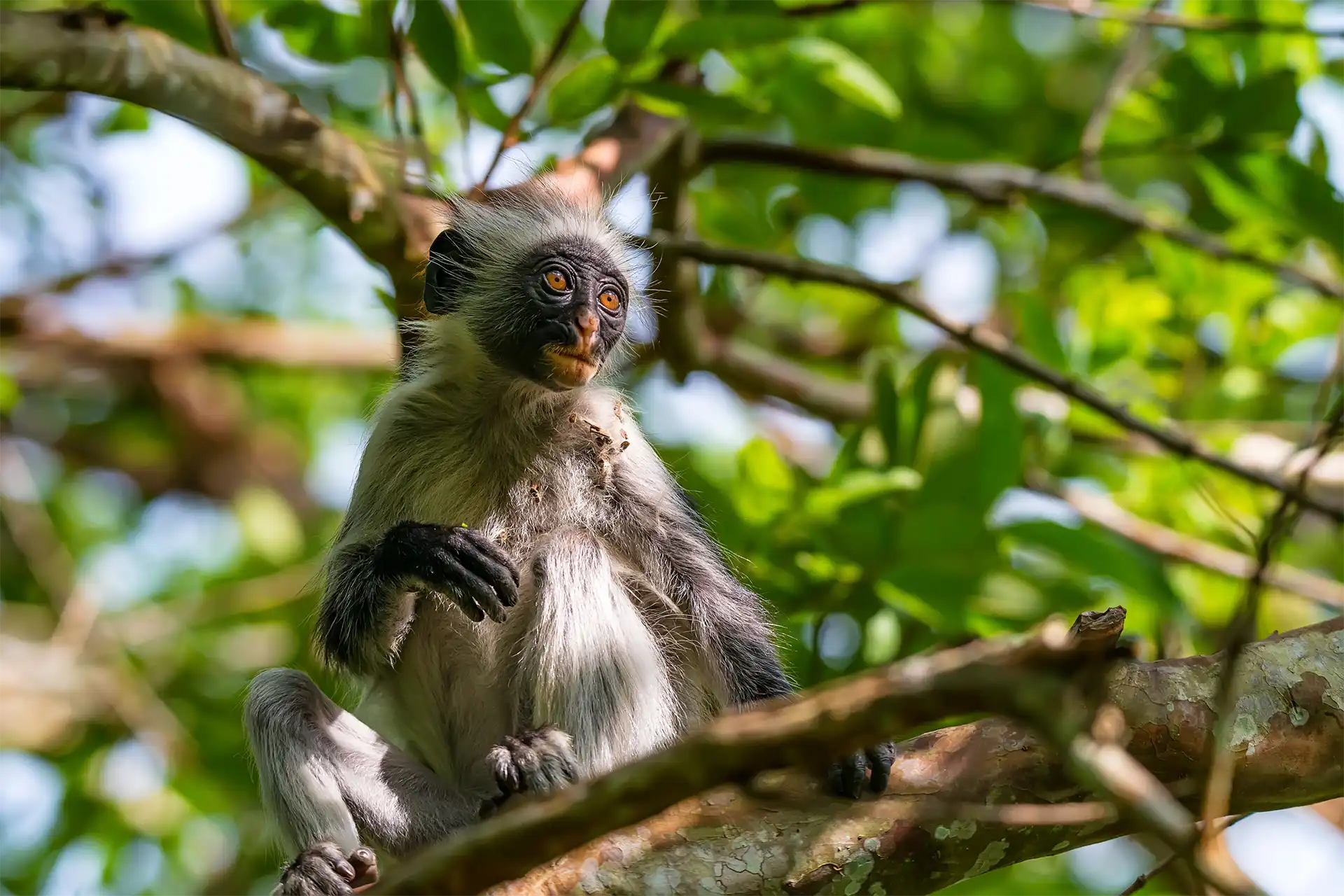
The best time for wildlife viewing is during the dry season from June to October, when animals gather around the Rufiji River and the permanent lakes (Lake Tagalala, Lake Manze, etc.). During this time, the thinning vegetation makes spotting predators much easier. The “Green Season” from November to March is beautiful for birdwatching and photography as the landscape turns lush, although some remote roads can become difficult to navigate during the peak rains of March and April.
The Rufiji River & Water Systems
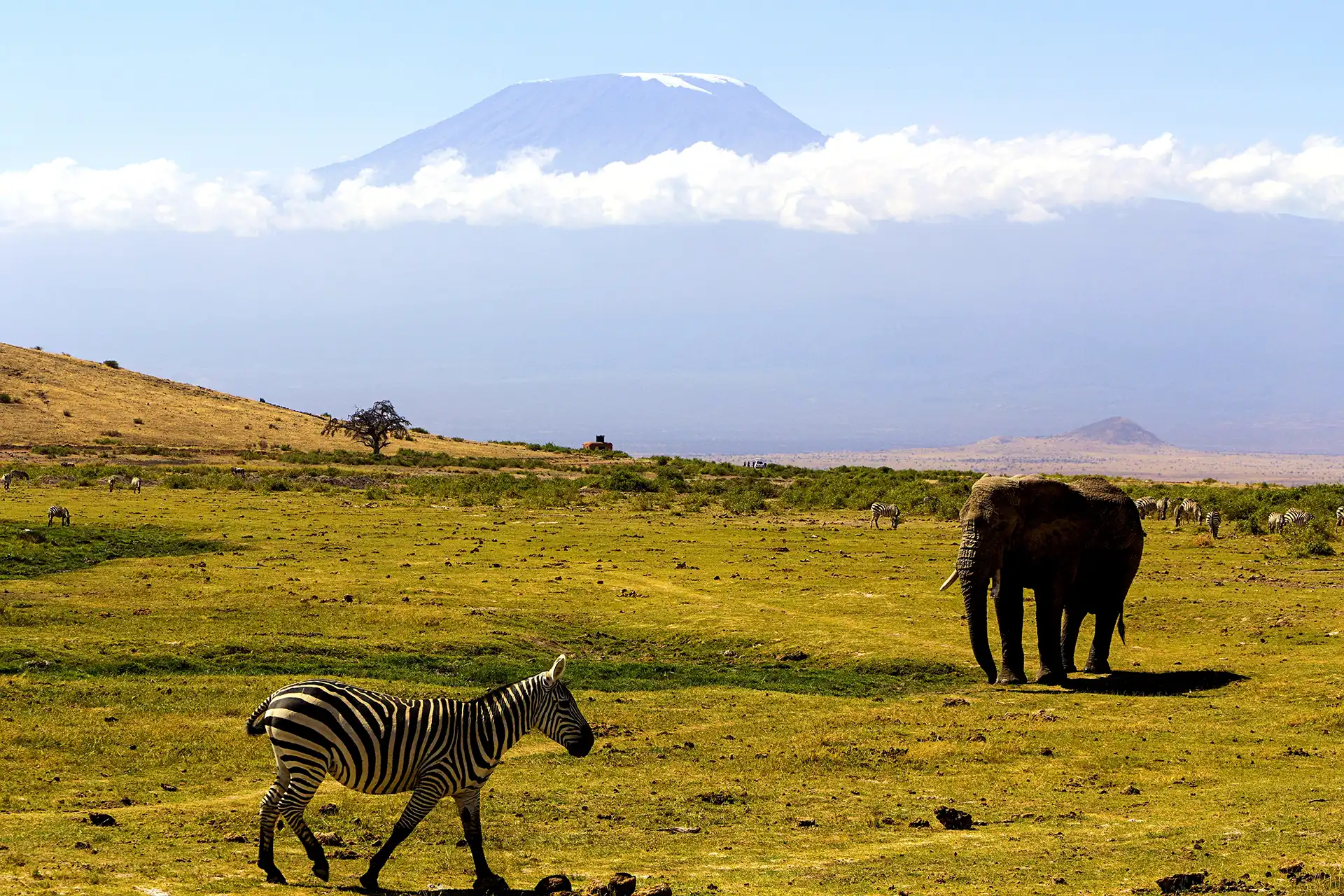
The Rufiji River is the lifeblood of Nyerere National Park and its most iconic feature. It is the largest river in Tanzania, creating a unique water-based ecosystem of palm-fringed channels, swamps, and lakes. This water system supports a huge variety of birdlife—over 440 species—including the rare Pel’s fishing owl, African skimmers, and colorful kingfishers. The river provides a dramatic setting for wildlife interactions, as land animals constantly visit the banks to drink while being watched by aquatic predators.
Boat Safaris & Walking Tours
Nyerere National Park offers a unique “Boat Safari” experience, which is rare in other Tanzanian parks. Drifting along the Rufiji River allows you to see hippos, crocodiles, and thirsty elephants from a completely different perspective. For those seeking more adventure, the park is famous for its guided walking safaris. Accompanied by an armed ranger, you can explore the smaller details of the bush—tracks, plants, and insects—getting closer to nature than is possible in a vehicle.