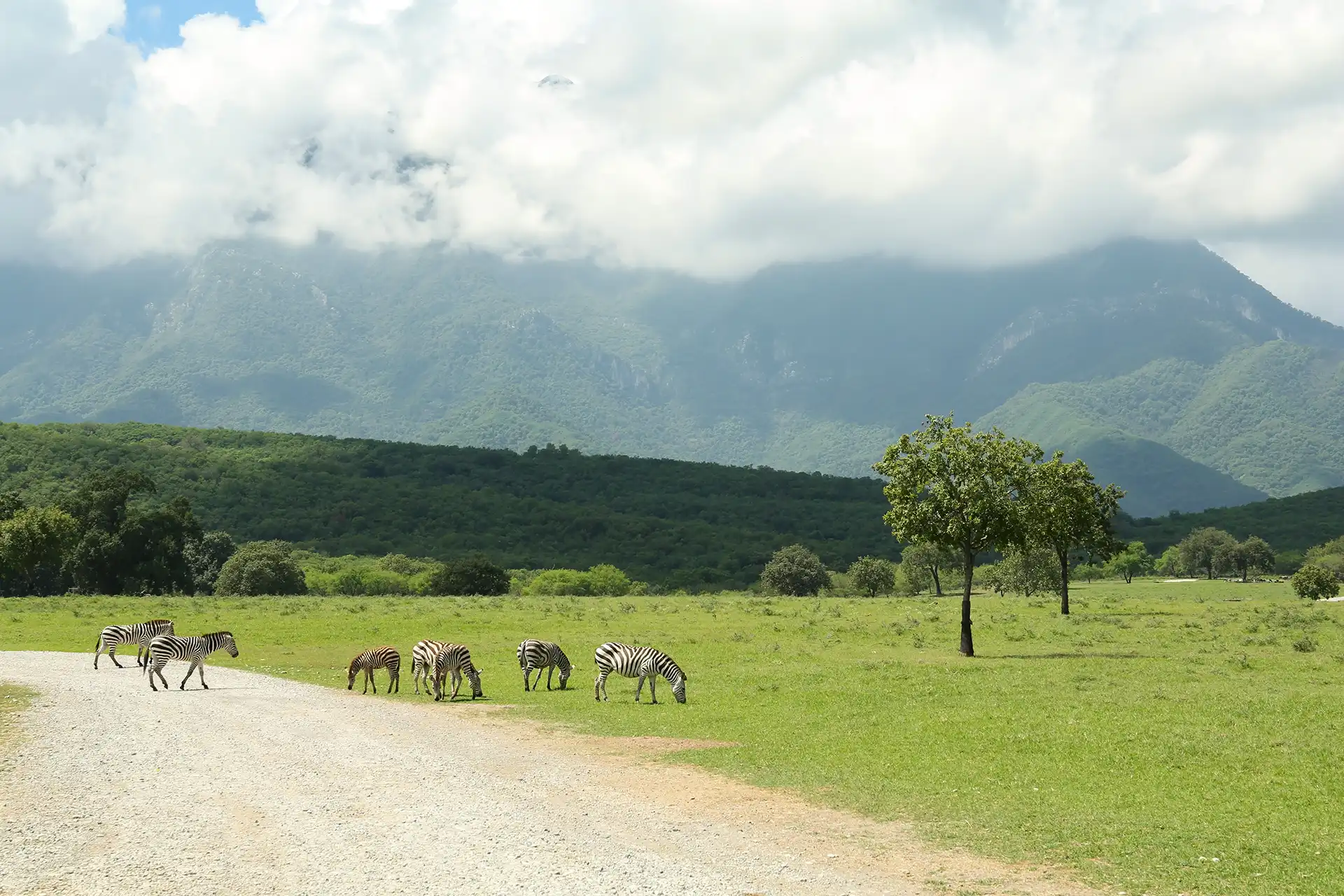
Mikumi National Park – Size & Establishment
Mikumi National Park is Tanzania’s fourth-largest park, covering an area of approximately 3,230 square kilometers. Established in 1964, it is located between the Uluguru Mountains to the north and the Lumango Range to the southeast. The park is bisected by the paved road between Dar es Salaam and Iringa, making it the most accessible safari destination from Tanzania’s commercial capital. Often compared to the Serengeti for its open horizons and abundant wildlife, Mikumi is a vital part of the larger Selous-Mikumi ecosystem, allowing for the free movement of animals across a vast protected wilderness.
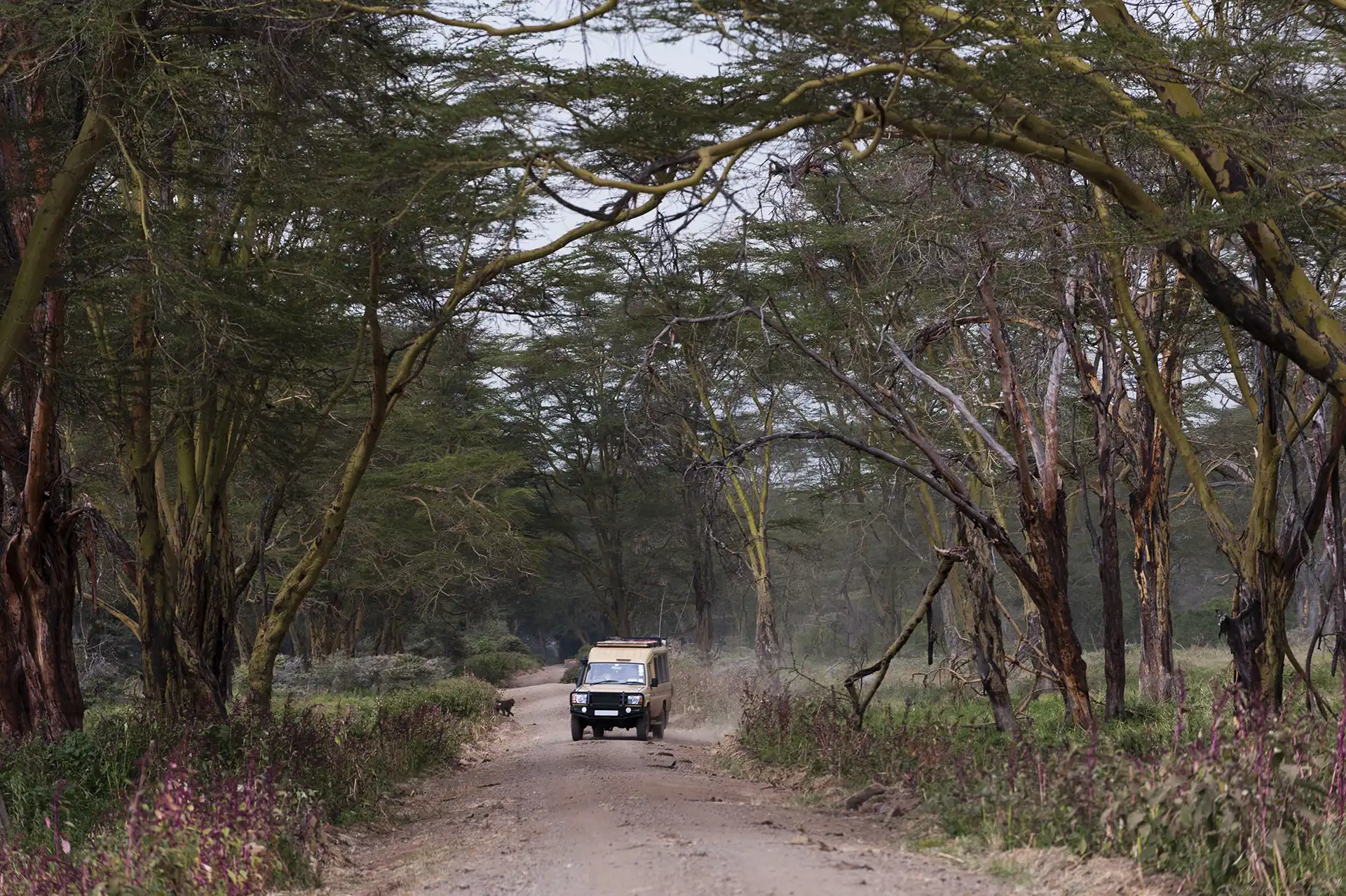
Animals to See in Mikumi National Park
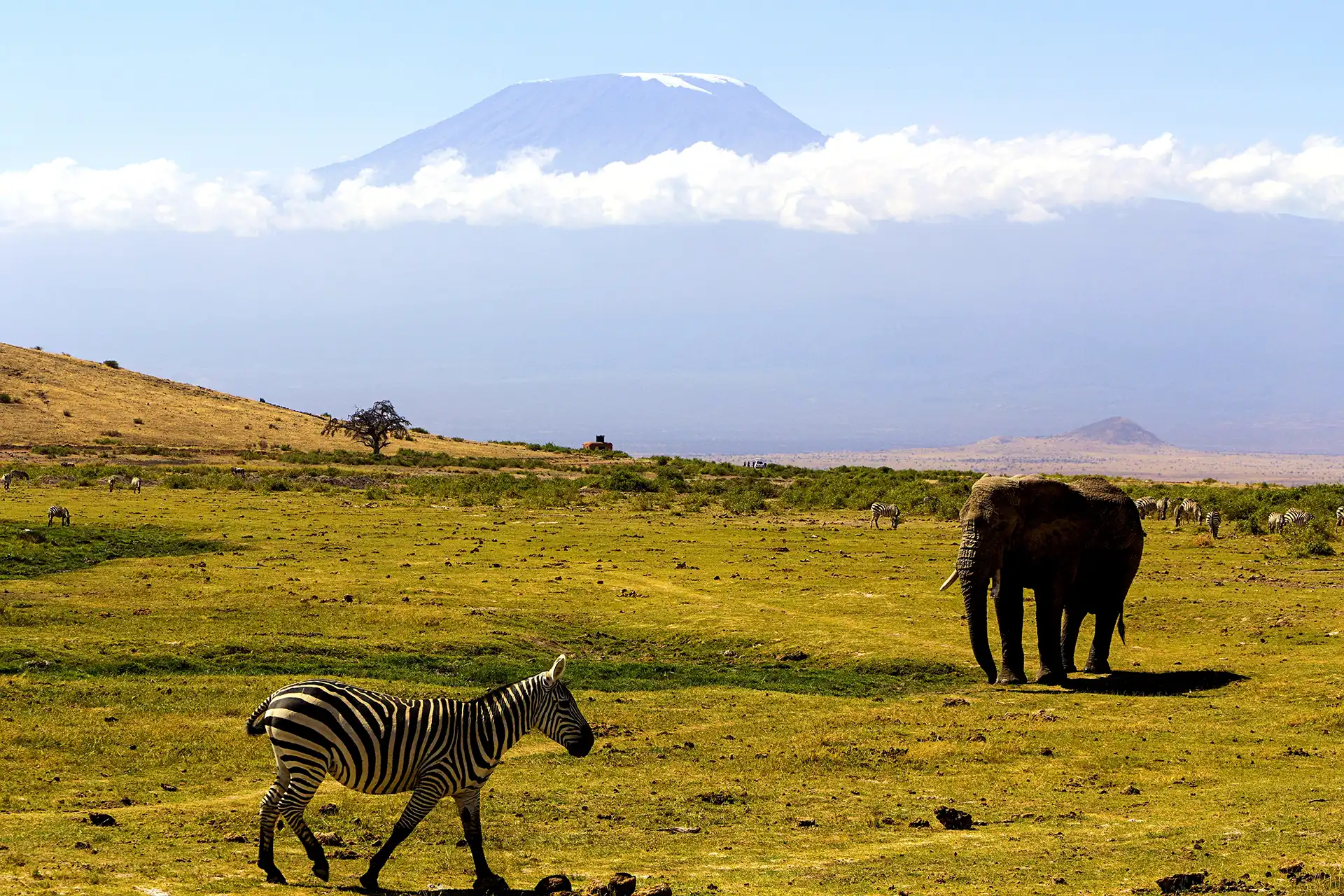
Mikumi offers incredible wildlife viewing, centered largely around the Mkata Floodplain. The park is famous for its large populations of elephants, buffaloes, and zebras. It is also one of the best places in Tanzania to spot the world’s largest antelope, the Eland. Predators are well-represented, with frequent sightings of lions, often seen lounging on tree trunks or surveying the plains. Other residents include spotted hyenas, leopards, and black-backed jackals. The park’s waterholes are hotspots for hippos and crocodiles, while the surrounding woodlands are home to greater kudu and sable antelopes.
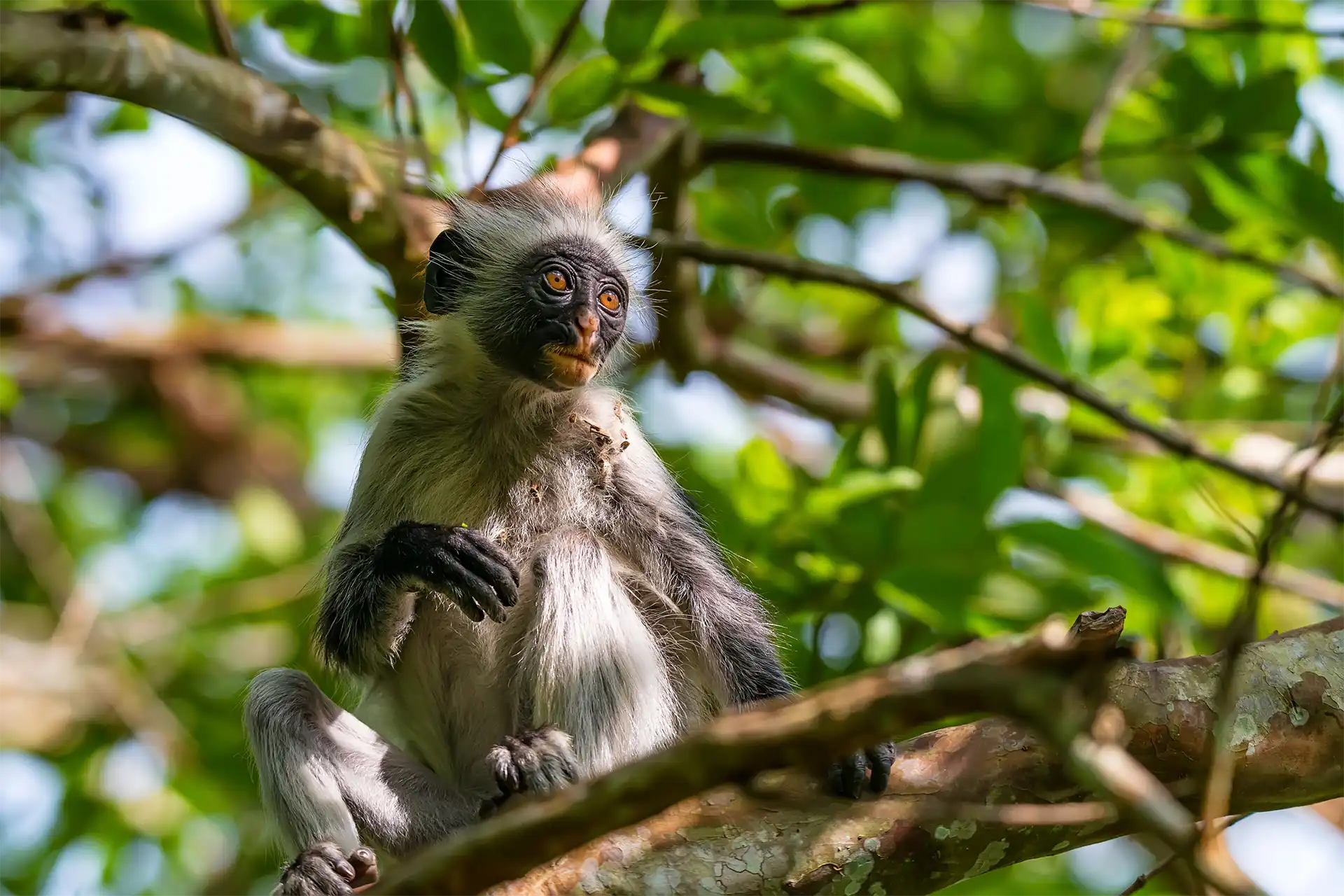
Best Time to Visit Mikumi National Park
The dry season, from June to October, is the peak time to visit Mikumi. During this period, the vegetation thins out and animals congregate around the remaining water sources, particularly the Mkata Floodplain, making sightings very predictable. For birdwatchers, the wet season from November to April is spectacular, as migratory species arrive from Europe and North Africa, and the landscape turns a lush, vibrant green. While some tracks can be challenging during heavy rains in March and April, Mikumi remains accessible year-round due to its well-maintained road network.
Hippo Pools & Aquatic Life
A major highlight of Mikumi is the Hippo Pools, located just a short drive from the main entrance gate. These permanent water bodies are home to large pods of hippos that spend their days submerged to stay cool, occasionally emerging to display their massive jaws. The pools are also a magnet for diverse birdlife, including kingfishers, hamerkops, and various species of storks and herons. On the banks, you can often spot large Nile crocodiles basking in the sun. It is a peaceful spot for visitors to observe the fascinating social interactions of hippos from a safe distance.
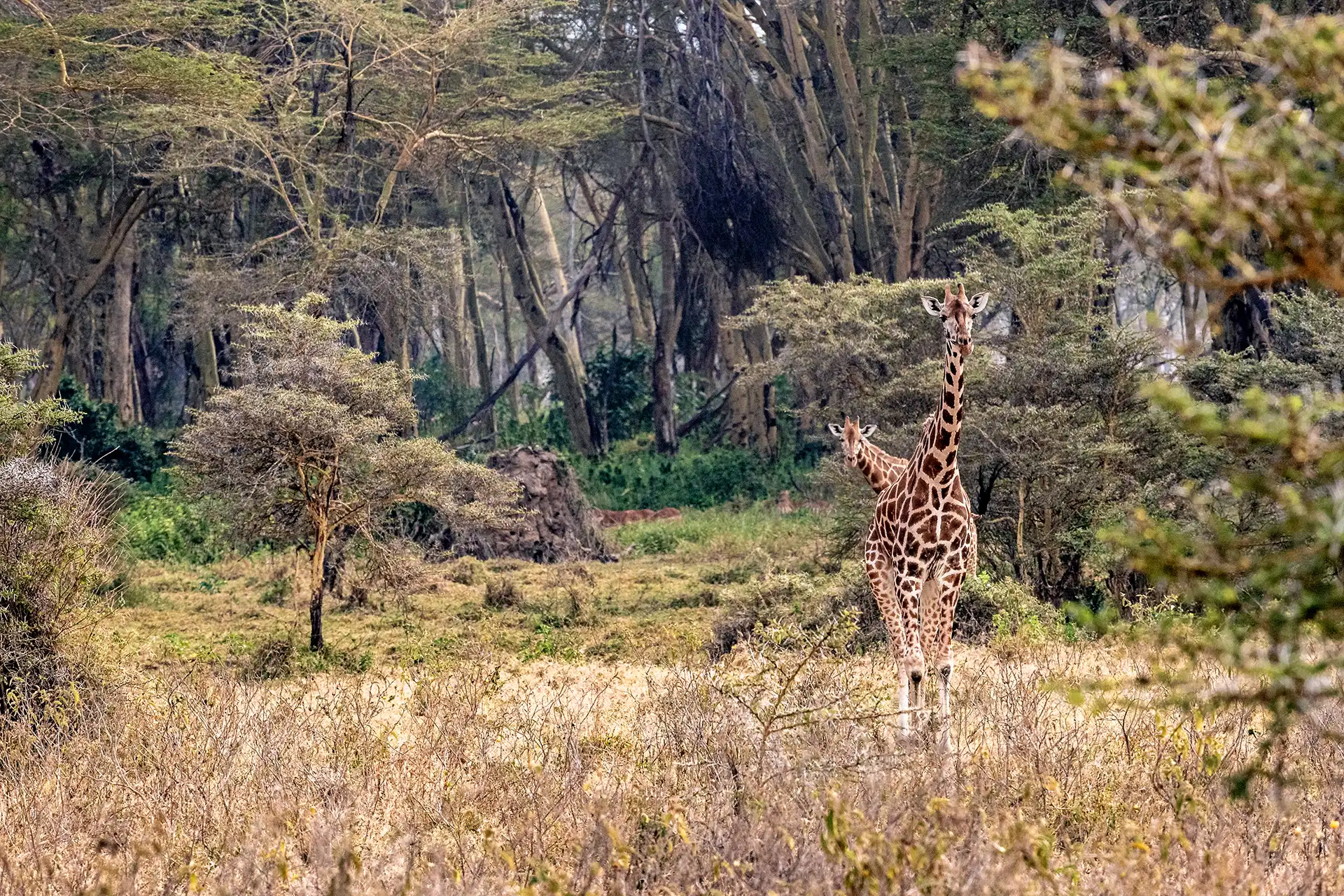
Uluguru Mountains View
The majestic Uluguru Mountains provide a stunning backdrop to the north of Mikumi National Park. While the mountains themselves are not inside the park, their presence dominates the skyline and influences the local climate. The rugged peaks often catch the morning mist, creating a dramatic atmosphere over the savannah. The contrast between the flat Mkata Floodplain and the towering green mountains makes Mikumi one of the most scenic parks in southern Tanzania. This landscape offers a unique aesthetic that differs significantly from the dryer parks in the north.