Things to do in Serengeti – on top of classic game drives
There are many variations of but the majority have simply free text available not suffered.

There are many variations of but the majority have simply free text available not suffered.
There are many variations of but the majority have simply free text available not suffered.
There are many variations of but the majority have simply free text available not suffered.
There are many variations of but the majority have simply free text available not suffered.
There are many variations of but the majority have simply free text available not suffered.
There are many variations of but the majority have simply free text available not suffered.
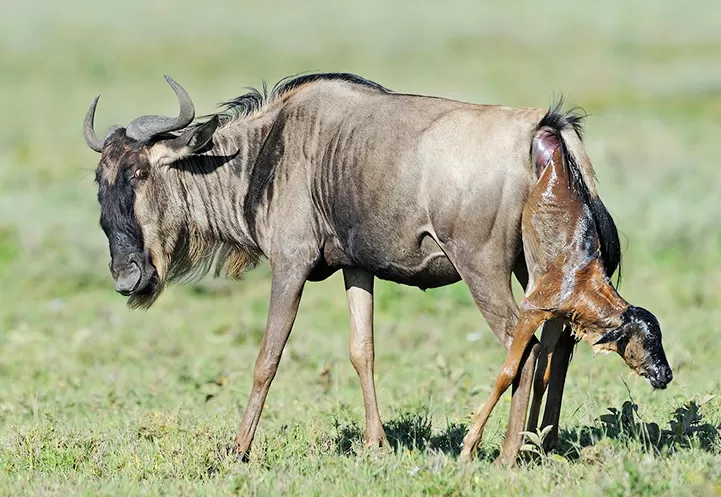
Wildebeest in the Serengeti migrate in response to seasonal changes in rainfall and food availability. Each year, over 1.5 million wildebeest move in a circular pattern between Tanzania and Kenya, primarily seeking fresh grazing and water. This great migration is triggered by the dry season, which causes grasslands to wither in the southern Serengeti. As rains fall in the north, wildebeest move toward the greener pastures of the Maasai Mara. This journey helps sustain the population, supports reproduction, and ensures survival. Predators and river crossings pose constant danger, but migration is essential for maintaining the ecosystem and the wildebeest’s life cycle.
Wildebeest calving takes place in the southern Serengeti, particularly in the Ndutu region of the Ngorongoro Conservation Area, during the months of January to March. This area has rich, short-grass plains nourished by seasonal rains, making it ideal for giving birth. Around 500,000 calves are born in a span of just a few weeks, usually in February. Wildebeest choose this area because the open plains offer better visibility to spot predators, and the nutrient-rich grasses support nursing mothers and fast-growing calves. Calving here ensures survival by overwhelming predators with numbers. The best time to visit is February, when the landscape is lush, wildlife is abundant, and the dramatic birthing season can be witnessed in full swing.
calving season
calving season
calving season
calving season
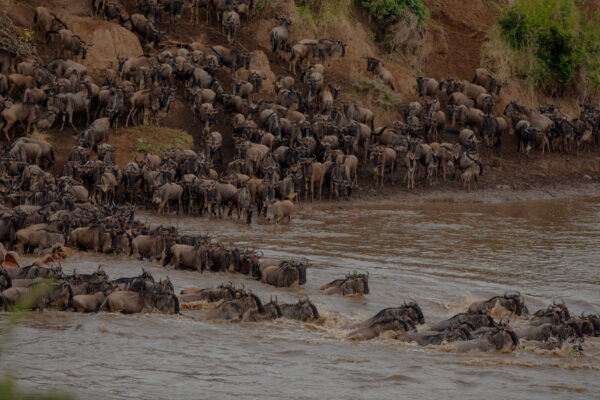
Wildebeest cross the dangerous Mara River in the northern Serengeti and Maasai Mara (Kenya) between AUGUST and October. This is part of their annual migration in search of fresh grazing and water as the southern and central Serengeti dry up. The Mara River is perilous, filled with strong currents and predators like crocodiles making the crossing dramatic and dangerous. Despite the risks wildebeest must cross to reach the greener pastures in the north. The best time to visit to witness river crossings is August to early October when large herds gather at the riverbanks. Patience is key as crossings are unpredictable but the spectacle of thousands of wildebeest plunging into the river is unforgettable and iconic.
crossing at mara river