Explore the Wonders of Ngorongoro: Must-Do
Ngorongoro Conservation Area, Tanzania
Situated within the breathtaking landscapes of northern Tanzania, the Ngorongoro Conservation Area is a destination of exceptional natural beauty, cultural richness, and historical significance. While the world-famous Ngorongoro Crater is undoubtedly the main highlight, the region offers a wide range of rewarding experiences beyond the crater floor.
From scenic hikes along dramatic crater rims to immersive cultural encounters with the Maasai people, and from ancient archaeological discoveries to rare geological formations, Ngorongoro offers something for every traveler. Whether you are a wildlife enthusiast, a history lover, or a nature seeker, this guide outlines the must-do activities that will make your visit to Ngorongoro truly unforgettable.
Maasai Village Tour
A short cultural experience en route to or from Serengeti
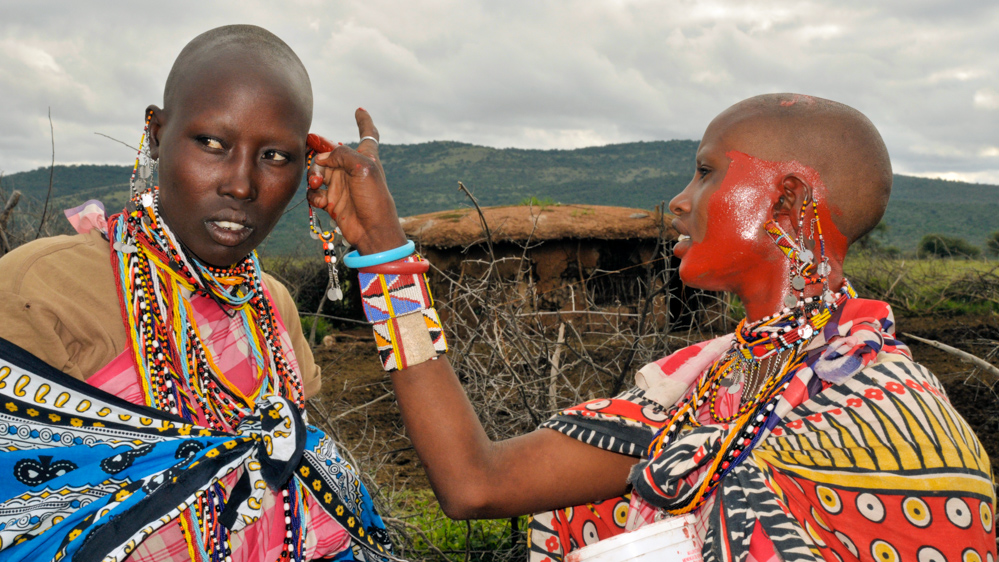
While East African safaris are often associated with iconic wildlife, Ngorongoro also offers a deep cultural dimension through encounters with the Maasai people, one of Africa’s most renowned indigenous communities.
A Maasai Village Tour within the Ngorongoro Conservation Area allows you to immerse yourself in their vibrant traditions and time-honored way of life. Engage in meaningful conversations, listen to stories passed down through generations, participate in daily activities, and witness energetic traditional dances that reflect their cultural heritage. You will also have the opportunity to admire their intricate beadwork and distinctive traditional attire.
-
Duration: 1–1.5 hours
-
Cost: USD 25 per person
This experience provides valuable insight into how the Maasai maintain a harmonious relationship with wildlife and the land. It is an ideal cultural stop either on the way to Serengeti or after your Ngorongoro Crater tour.
Olduvai Gorge Museum
A short historical stop on the way to Serengeti
The Olduvai Gorge Museum is one of the most important archaeological sites in the world, offering a fascinating journey into human evolution. The name “Olduvai” comes from a Maasai word meaning Place of Wild Sisal.
Dating back between two million and fifteen thousand years, Olduvai Gorge has yielded remarkable discoveries, including fossilized remains, stone tools, and animal bones that reveal early human behavior, hunting techniques, and survival strategies.
Located at the junction of the main and side gorges, the museum presents well-curated exhibits that explain the long evolutionary history of humans and animals in this region.
-
Duration: 1.5–2 hours
-
Cost: USD 35 per person
Whether traveling to Serengeti or returning from it, a stop at Olduvai Gorge Museum adds historical depth and educational value to your safari itinerary.
Ngorongoro Crater Rim Hike
A short scenic hike before or after your crater tour
The Ngorongoro Crater Rim Hike offers a refreshing walking experience along the rim of the crater, with sweeping views of the surrounding landscapes.
At an elevation of approximately 2,400 meters above sea level, the hike is moderately easy and suitable for most fitness levels.
-
Duration: About 1 hour
-
Cost: USD 35 per person
Along the trail, you may encounter diverse birdlife, unique plant species, and grazing wildlife such as elephants and buffalos. The western rim is often frequented by Maasai herders and their cattle, offering a glimpse into traditional pastoral life.
Recommended start times are around 8:30 a.m. or 4:00 p.m., making it an excellent activity on the way from Karatu to Serengeti or vice versa.
Note:
-
A park ranger is mandatory and assigned by park authorities
-
Small tips for rangers are customary
-
Final decisions on hike duration rest with the ranger
Shifting Sand Dunes
A unique geological attraction near Olduvai Gorge
Located about 2 km north of Olduvai Gorge, the Shifting Sand Dunes are a rare and fascinating natural phenomenon. These crescent-shaped black volcanic dunes originate from Ol Doinyo Lengai, the “Mountain of God.”
Despite their size, the dunes slowly migrate westward at approximately 15–20 meters per year, driven by strong seasonal winds. One smaller dune has even separated and moved several kilometers north.
The dunes hold spiritual significance for the Maasai people, who consider them sacred and perform rituals here during prolonged droughts.
-
Duration: 45 minutes to 1 hour
-
Best visited: On the way to or from Serengeti
Empakaai Crater Hike
Scenic full-day hiking experience
Located on the northeastern edge of the Ngorongoro Crater, Empakaai Crater is a stunning volcanic caldera measuring approximately 6 km wide and 300 meters deep.
The hike takes you through lush forest trails where you may encounter buffalos, waterbucks, elands, and a wide variety of birdlife, including flamingos inhabiting the crater lake.
From the rim, enjoy spectacular views of:
-
Ol Doinyo Lengai
-
Lake Natron
-
The Great Rift Valley
-
Mount Kilimanjaro (on clear days)
-
Hiking time: ~4 hours (descent and ascent)
-
Total tour time: Full day
-
Start time: From 8:30 a.m.
An armed ranger and guide accompany the hike, and a Maasai companion can be arranged for added cultural insight.
Mount Makarot Hike
Full-day hike with panoramic views
Mount Makarot, located near the western rim of Ngorongoro Crater, offers a steep but rewarding hike with expansive views over grasslands and surrounding valleys.
-
Summit hike: ~2 hours up, 2 hours down
-
Total tour duration: Up to 8 hours including transfers
Along the trail, you may spot wildlife such as buffalos, baboons, lions, or leopards. Maasai villages below and the distant sounds of grazing livestock add to the atmosphere.
From the summit, enjoy views of Lake Eyasi and, on clear days, glimpses of Serengeti National Park.
An early start is recommended to comfortably complete the hike within the day.
Olmoti Crater Hike
Accessible full-day hiking experience
The Olmoti Crater, formed nearly two million years ago, lies about 13 km north of Ngorongoro Crater. Its Maasai name means “cooking pot,” referencing its sunken caldera shape.
Despite being smaller, Olmoti attracts wildlife such as elephants, buffalos, and antelopes and is also used by the Maasai as grazing land.
The hike begins from Nainokanoka ranger post and leads into the crater, where a river flows through the caldera and drops into the scenic Munge Waterfall.
-
Distance: 3 km round trip
-
Hiking time: ~1.5 hours
-
Elevation gain: ~310 meters
-
Difficulty: Easy to moderate
Picnic lunches are possible within the crater, and birdwatchers may spot Verreaux’s Eagles and Augur Buzzards soaring overhead.
Conclusion
The Ngorongoro Conservation Area is far more than a single crater—it is a diverse landscape rich in wildlife, culture, history, and adventure. From guided hikes and cultural encounters to archaeological landmarks and rare geological features, Ngorongoro offers unforgettable experiences for every traveler.
Take time to explore beyond the crater floor, immerse yourself in the surroundings, and create lasting memories in one of Africa’s most remarkable conservation areas.

Recent Posts
Things to do in Serengeti – on top of classic game drives

Explore the Wonders of Ngorongoro: Must-Do
Lake Manyara & Mto wa Mbu: Nature and Culture Combined
All Categories
Thailand